Bob’s Containers Reviews: A Buyer’s Guide
Bob’s Containers Reviews: A Buyer’s Guide
If you’re searching for “Bob’s Containers reviews,” you’re likely comparing quotes for a 20ft or 40ft shipping container and want the real story on quality, price, and service. As someone who’s inspected hundreds of containers for clients, I can tell you that online reviews often miss the critical details that matter for a long-term investment. Let’s break down what you should actually look for, and how to evaluate any supplier, including alternatives like the selection at Steelcontainerdepot.
Understanding the “Bob’s Containers” Model and Market Position
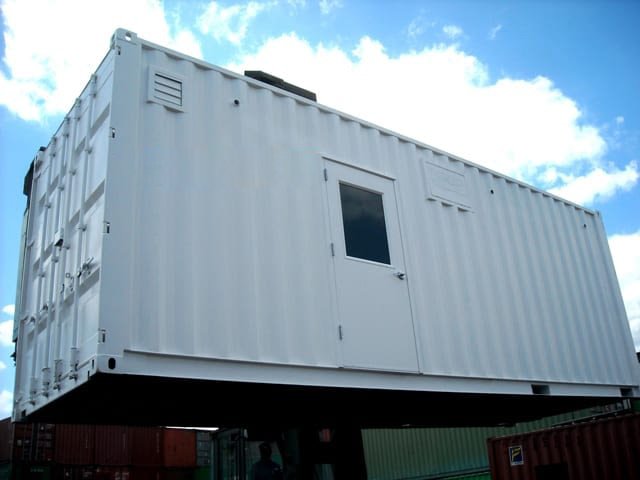
Bob’s Containers operates primarily as a national online retailer, often marketing modified containers like offices, tiny homes, and pop-up shops. Their reviews frequently highlight the convenience of online purchasing and modern designs. However, from an industry standpoint, this model means the container itself is a commodity item sourced from ports, then modified at a central facility. The key takeaway from most reviews is that you’re paying a premium for the design and modification work, not necessarily for a superior-grade steel box. For a standard, unmodified storage or shipping container, you can often find better value locally or through specialized dealers who focus on the container’s core condition—like wind and watertight integrity—over custom finishes.
What Reviews Don’t Tell You About Container Grades & Pricing
Scrolling through reviews, you’ll see “great condition” or “looks new,” but these are subjective terms. In the trade, we use specific grades: WWT (Wind and Water Tight), CW (Cargo Worthy), and “As-Is.” A “one-trip” or “like-new” container is typically WWT with minimal cosmetic issues, priced around $3,500-$4,500 for a used 40ft. Many online sellers, including Bob’s, sell “refurbished” units, which often means a CW-grade container has been cleaned, painted, and had minor repairs. The price jump for a fresh coat of paint can be $1,000 or more. Always ask for the original grade and see recent, unedited photos of the interior roof and floor. For a true WWT container in good structural shape, check options like our 20ft Long Highcube Containers, which are ideal for maximizing storage volume without paying for custom modifications.
The Critical Factor: Delivery, Site Prep, and Hidden Costs
This is where reviews get real. A 40ft container can weigh over 8,000 lbs empty. Many negative reviews for all suppliers stem from delivery surprises—extra fees for soft ground, need for a crane, or improper site access. Bob’s Containers, like many national companies, often uses third-party carriers. It’s crucial to confirm who is handling final-mile delivery and what their requirements are. Prepare your site with solid, level ground (crushed gravel is ideal) and clear overhead access. Always get the exact exterior dimensions; a standard 40ft container is 40′ long, 8′ wide, and 8’6″ high, but a 20Ft HI Cube Container(9′ 6″ High) adds an extra foot of interior height. Factor in these logistics before buying; it’s a step we always walk customers through at Steelcontainerdepot.
Practical Alternatives for Storage & Modification
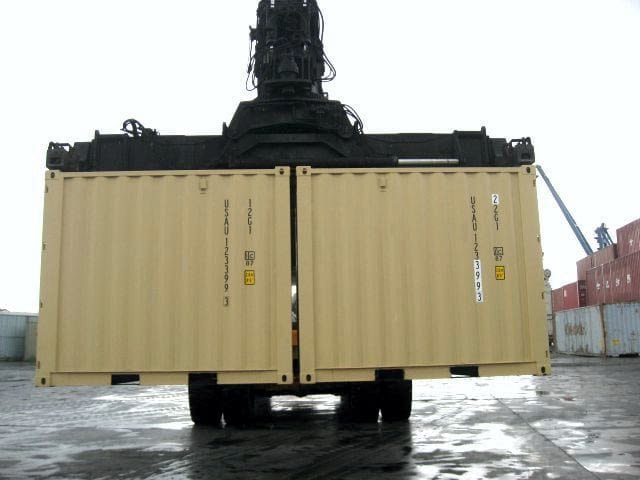
If your goal is secure, dry storage, a standard one-trip container is your most cost-effective choice. Browse our 20FT CONTAINERS collection or 40FT CONTAINERS collection for straightforward options. For a site office or guard post, a pre-fabricated cabin can be more efficient than modifying a container yourself. We offer ready-to-use solutions like the 6Ft x 6Ft Single Guard Hut. For unique needs, specialized containers exist. Need to ship two smaller units together? Bicons ISO Containers are designed for that. Require something you can assemble on-site? A 3M X 2.1M Flat Pack Storage Container – Galvanised might be the answer. The key is matching the product to your actual need, not just the most advertised solution.
How to Vet Any Container Seller: A Checklist
Use this checklist, born from 15 years in the industry, to evaluate Bob’s Containers or any supplier. First, request original condition photos (pre-paint) of the interior corners, roof seams, and floor. Second, get the grade in writing (WWT, CW, As-Is). Third, ask for the CSC plate details—this shows the container’s age and last inspection date. Fourth, get a detailed, all-in quote including delivery to your ZIP code and any placement fees. Fifth, check the modification specs: what gauge steel is used for new walls? What type of insulation? Finally, read reviews for the delivery partner, not just the seller. A reputable dealer, whether it’s us at Steelcontainerdepot or another local yard, should provide all this transparency upfront.
FAQ
Is Tupperware made in Canada?
Some Tupperware products have been manufactured in Canada in the past, but their current global production is spread across facilities in multiple countries, including the United States, Mexico, and Europe. For the most accurate and up-to-date information on a specific product’s origin, you should check the packaging or contact Tupperware’s customer service directly.
Browse our containers collection
Last updated: April 01, 2026