Container Review: What You Actually Need to Know
Container Review: What You Actually Need to Know
Choosing the wrong shipping container can cost you thousands in unnecessary modifications or freight charges. I’ve seen projects stall because someone bought a standard 8’6″ high cube when they needed a 9’6″ model for stacking IBC totes, or selected a 40-footer for a site that could only handle a 20ft delivery. Let’s cut through the noise and review the key container types based on real-world use, not just specs on paper.
Standard Dry Vans: The Workhorse with Limits
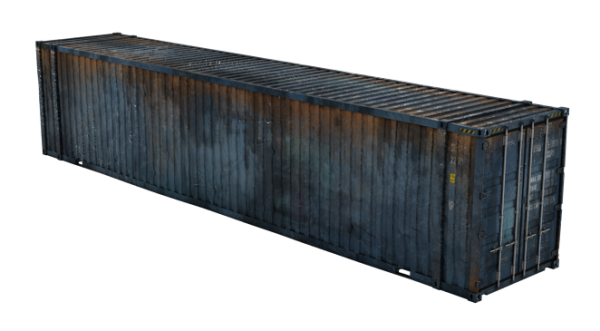
The 20ft and 40ft standard dry van is the baseline. A typical 20ft container gives you about 1,170 cubic feet of space, is 8 feet wide, and 8 feet 6 inches tall. They’re perfect for general storage, shipping dry goods, or as a basic site office. The price point is attractive, often starting around $2,800 for a used 20ft unit. However, their limitation is height. If you’re storing tall machinery, pallet racks, or need to move comfortably inside, that 8’6″ ceiling feels low fast. For most basic storage jobs, they’re unbeatable. But before you buy, measure your tallest item and add at least a foot for clearance. At Steelcontainerdepot, we always ask customers this first—it saves a lot of headaches.
High Cube Containers: Worth the Extra Foot
For about a 10-15% premium over a standard container, a High Cube (HC) adds a crucial extra foot of interior height, bringing it to 9 feet 6 inches. This isn’t just about feeling less cramped. That extra vertical space translates directly to storage capacity. You can fit an additional layer of pallets, store taller industrial equipment like vertical tanks, or install proper shelving and lighting for a workshop. The 20Ft HI Cube Container is a top seller specifically because it’s ideal for IBC tote storage. If you’re converting a container into any kind of habitable space or workshop, the High Cube is almost always the right choice. The added comfort and utility far outweigh the minor cost increase.
Specialty Sizes: 45ft Containers and Flat Packs
When volume is your primary concern, the 45ft High Cube container is a game-changer. It offers roughly 3,040 cubic feet of space—that’s 30% more than a standard 40ft HC. They’re the go-to for high-volume shippers or businesses needing massive on-site storage for bulk materials. Remember, their size requires special transport permits and a large, accessible site for delivery. On the opposite end of the spectrum are flat-pack containers, like the 3M X 2.1M Flat Pack. These galvanized steel kits solve access problems. They can be delivered in a van and assembled with basic tools in a backyard or a tight industrial yard where a crane can’t reach. They’re not for shipping, but for permanent, secure storage in constrained locations.
Modified Containers: From Guard Huts to Bicons
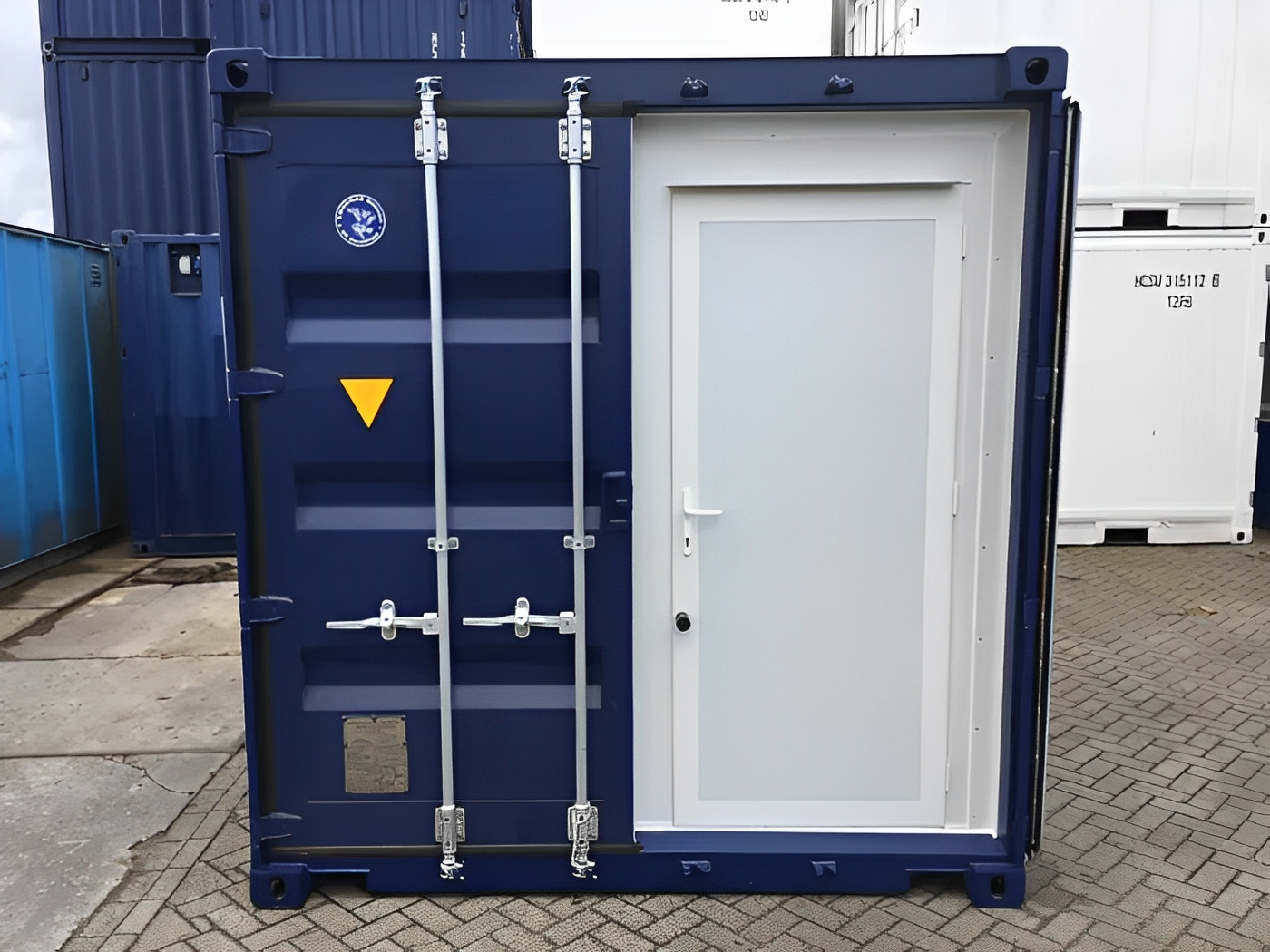
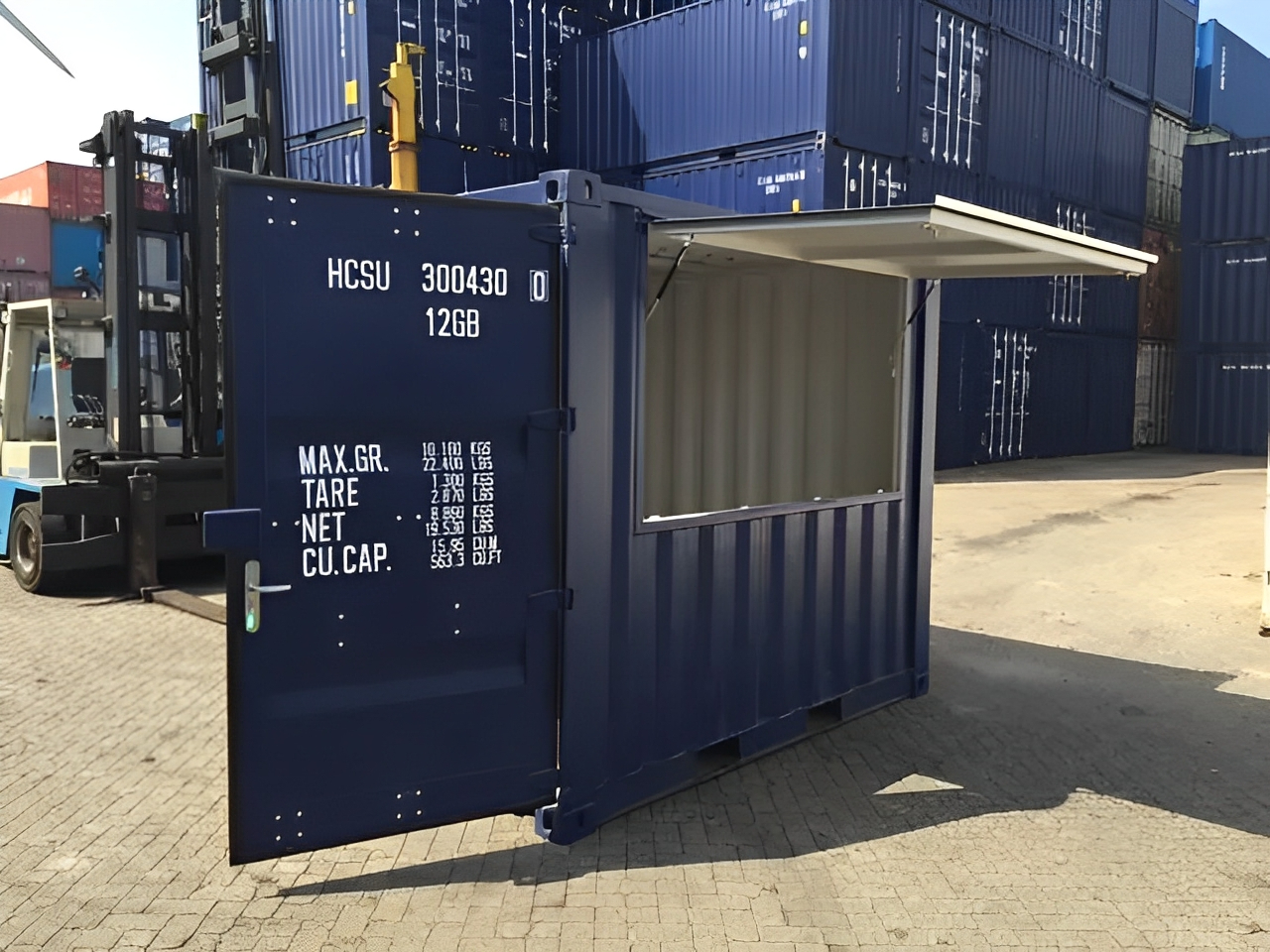
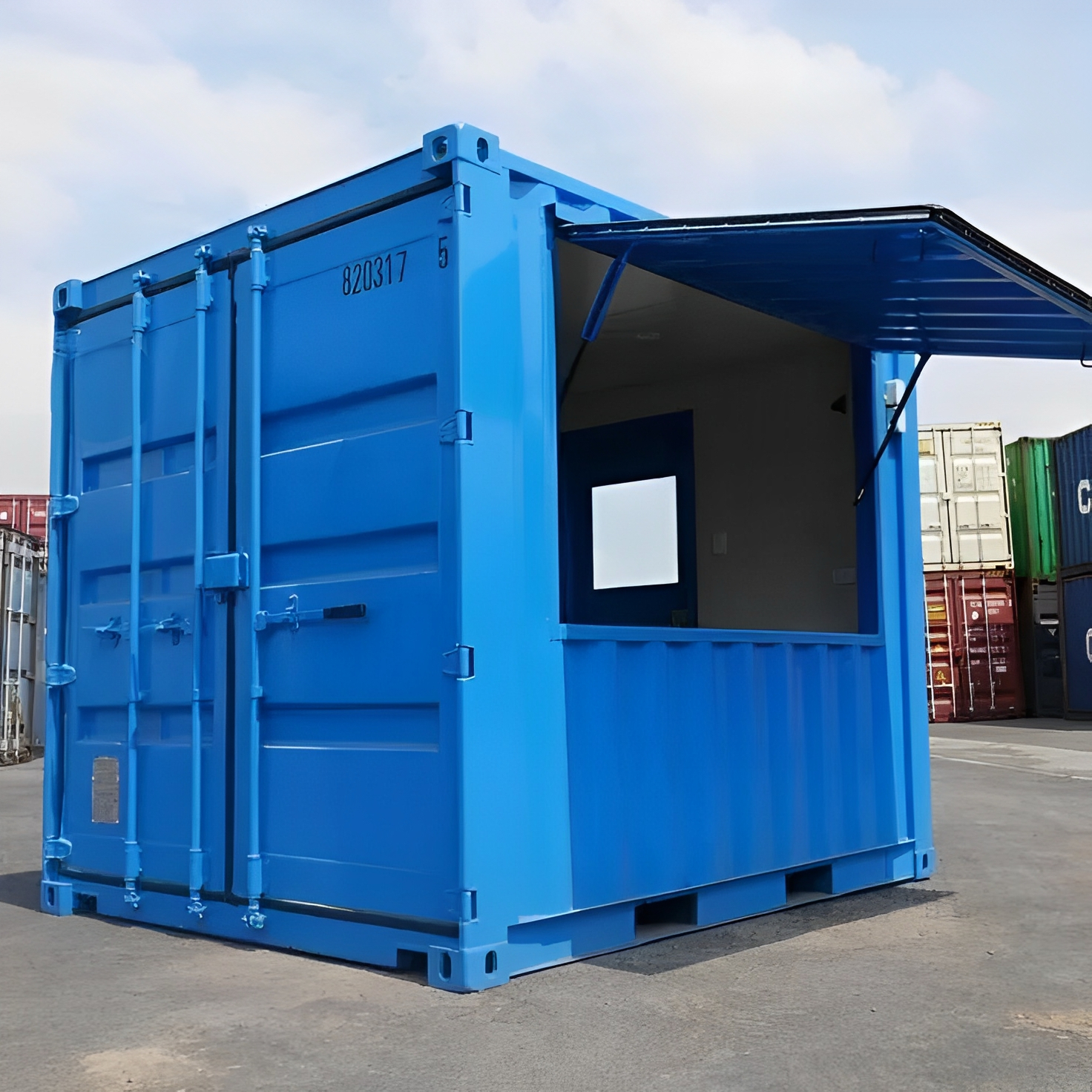
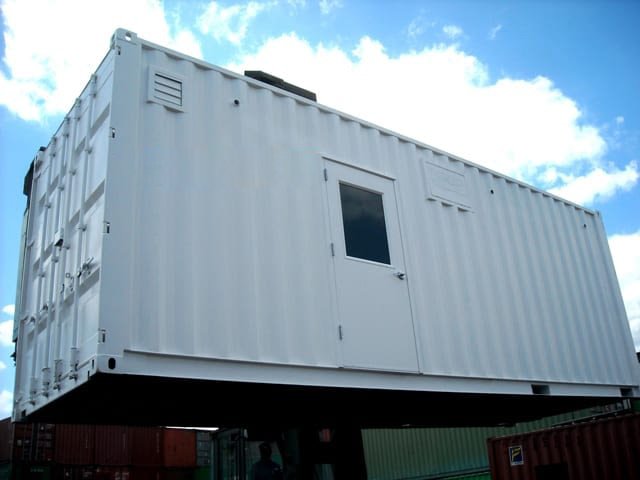
This is where containers become custom solutions. A standard box can be transformed for specific security or operational needs. A 6Ft x 6Ft Single Guard Hut provides a weatherproof, secure post with window and lock options, often built from modified container panels. For more complex needs, Bi-cons (or Bicons) are two containers joined side-by-side to create a wide, open space. The Bicons ISO Containers we offer create a 16-foot-wide interior, perfect for a spacious site office, medical clinic, or workshop without the cost of a custom-built structure. The key with modifications is planning your door, window, and interior layout upfront. Steelcontainerdepot works with trusted fabricators to ensure modifications are structurally sound and meet your exact specs.
Making the Final Decision: Condition, Delivery, and Price
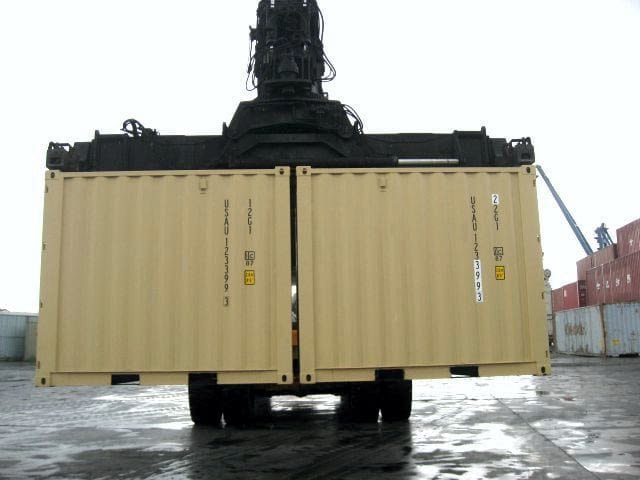
Once you’ve picked your size and type, condition is next. “Wind and watertight” (WWT) is the standard for used containers—it means no major holes or rust that would let in the elements. “Cargo-worthy” (CW) is a step up, certified for international shipping. For static storage, WWT is usually sufficient and saves money. Always factor in delivery. The cost to transport a container can match its purchase price depending on distance and site accessibility. Get a firm all-in quote that includes delivery, offloading (with a crane or tilt-bed truck), and placement. A $3,000 container with $1,500 delivery is a very different proposition than a $4,000 container with free placement to your exact spot. We build transparent delivery estimates into every quote at Steelcontainerdepot because no one likes surprise fees.
What’s the real difference between a 40ft Standard and a 40ft High Cube container?
The only difference is height. A standard 40ft container is 8 feet 6 inches tall internally. A 40ft High Cube is 9 feet 6 inches tall. That extra foot provides about 270 additional cubic feet of space (roughly 10% more volume) and is critical for storing taller items, improving interior workspace comfort, or adding mezzanine floors.
Can I put a shipping container directly on the ground?
You can, but you shouldn’t long-term. Placing it directly on soil or grass traps moisture and accelerates rust on the underside. For permanent placement, always use concrete blocks or piers at the four corners (and the midpoint for 40ft+ containers) to allow airflow and prevent pooling water. This simple step can double the container’s lifespan.
Is a used container or a new “one-trip” container better for conversion?
For conversions into offices, homes, or shops, a “one-trip” container is often worth the higher cost (typically 25-40% more). It has made only one international journey, so the interior floor and walls are in near-perfect condition with minimal dents or scratches. A used container will have more wear, requiring more labor and materials to repair and prepare surfaces before insulation and finishing.
Browse our containers collection
Last updated: April 01, 2026